
Search Seminole County Sex Offenders
Seminole County sex offenders and sexual predators are required by Florida law to register with the Seminole County Sheriff's Office, and their records are available in the Florida Department of Law Enforcement public database at no cost, with no account required to search. Seminole County sits north of Orange County and is one of the most densely populated counties in the greater Orlando metro area, with communities like Sanford, Casselberry, and Altamonte Springs, and all sex offender registrations for those areas are filed in person at the sheriff's office regardless of where in the county the registrant resides.
Seminole County Quick Facts
Seminole County Sheriff and Sex Offender Registration
The Seminole County Sheriff's Office handles sex offender and predator registration for one of metro Orlando's most densely populated counties. Anyone convicted of a qualifying sexual offense who lives, works, or regularly spends time in Seminole County must register in person at the sheriff's office. That obligation applies equally to people with Florida convictions and to those relocating from other states with offenses that would qualify for registration under Florida law. Where the conviction happened does not change the requirement.
Registration is an in-person process only. There is no mail or online option. Staff collect your full legal name, date of birth, Social Security number, current address, physical description, all vehicle information, phone numbers, and every electronic identifier you use, including email addresses and social media usernames. A photo is taken during the visit. Bring a valid ID and all documentation from your case. If you are transferring from another county or state, bring prior registration paperwork so staff can verify your classification and assign the correct reporting schedule going forward.
| Agency | Seminole County Sheriff's Office |
|---|---|
| Address | 100 Bush Blvd, Sanford, FL 32773 |
| Phone | (407) 665-6650 |
| Website | www.seminolesheriff.org |
After registration, the Seminole County Sheriff's Office forwards fingerprints and your photo to the FDLE. Your record typically appears in the public database within a short period. All changes, including new addresses, vehicles, phones, and online accounts, must be reported to the sheriff within 48 hours of the change. That window does not pause on weekends or holidays. Failing to report a change on time carries the same legal penalty as failing to register in the first place.
Registration Requirements in Seminole County
Florida's sex offender registration rules are set out in Florida Statute § 943.0435, and those rules apply the same way in Seminole County as they do anywhere in the state. There are no county-specific exemptions or adjustments. The statute defines what information registrants must provide, how often they must appear in person, and what happens if they fail to comply.
The frequency of re-registration depends on your designation. Standard sex offenders must appear in person twice a year. The first visit is due during your birth month. The second is six months after that. Sexual predators operate on a stricter schedule. They must re-register four times a year, once every three months. The four-visit requirement reflects the elevated risk level that the predator designation carries under Florida law.
Transient registrants, meaning those without a fixed address who move around regularly, must report to the Seminole County Sheriff's Office every 30 days. Having no permanent home does not reduce the registration obligation. It shifts the cycle from twice or four times per year to monthly check-ins.
The 48-hour rule applies to all changes, not just address updates. A new vehicle, a new email account, a new phone number, a new workplace, each of these must be reported within two days. Waiting until the next scheduled visit is not allowed. Registration in Florida is a lifetime obligation in most cases. Failing to register, or missing the 48-hour window for a change, is a third-degree felony under Florida law, and the penalty applies regardless of when or where the original offense occurred.
Sexual Predators and Sexual Offenders in Seminole County
Florida law divides registry participants into two groups: sexual offenders and sexual predators. Both show up in the FDLE public database, but the obligations attached to each group are different.
Sexual offenders are people convicted of qualifying offenses under Florida statutes, or people convicted in other states of offenses that would require registration here. They must appear twice a year, report all changes within 48 hours, and comply with residency restrictions. The public can look up their records in the FDLE database, but the state does not run an active notification program for this category. Neighbors are not formally alerted when a standard offender registers nearby.
Sexual predators carry a higher-level designation that does not happen automatically at sentencing. A court must make a formal finding that the person satisfies the legal criteria defined in Florida Statute § 775.21. Once labeled a predator, the person must re-register every three months and is subject to active community notification. When a predator registers at a new address in Seminole County, the sheriff's office may directly notify nearby residents, schools, and childcare facilities. Predator records are labeled separately in the FDLE portal so the public can distinguish them from standard offender records at a glance.
Seminole County's proximity to Orange County means the registry regularly receives transfers from residents relocating within the greater Orlando area. The FDLE search portal makes it easy to filter results specifically to Seminole County or to individual ZIP codes within the county.
Search Seminole County Sex Offenders Online
The FDLE sex offender search portal is the primary tool for finding registered offenders and predators in Seminole County. No login is required. The search is free. You can narrow results by county, search by city name or ZIP code, enter an individual's name, or run a radius search from a specific street address.
Each result includes the registrant's photo, current registered address, physical description, offense history, and predator status if applicable. The radius search is one of the more practical features, letting you check who is registered near a school, a park, or your home by entering an address and selecting a distance in miles. The database updates on an ongoing basis, and records reflect the most recent information submitted through the Seminole County Sheriff's Office.
If you are looking up someone who recently moved to Seminole County from another state, nsopw.gov aggregates data from all participating state registries and can help with cross-state checks. Once a person establishes a Seminole County address and registers with the sheriff, their record appears in the FDLE database.
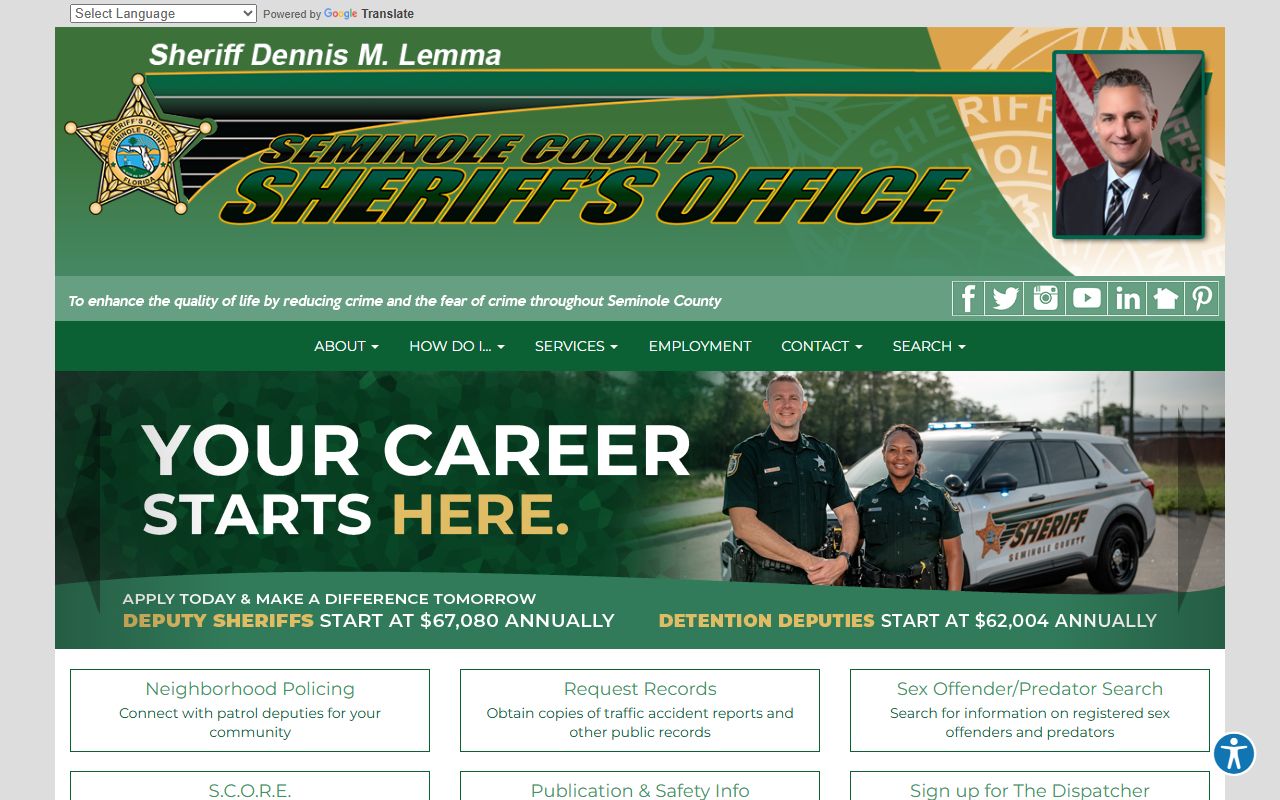
The Seminole County Sheriff's Office handles sex offender and predator registration for one of metro Orlando's most densely populated counties. Seminole County's proximity to Orange County means the registry regularly receives transfers from residents relocating within the greater Orlando area.
Residency Restrictions in Seminole County
Under § 775.215, registered sex offenders and sexual predators in Florida may not live within 1,000 feet of any school, childcare facility, park, playground, or location where children regularly gather. That distance is measured from property line to property line. The restriction is statewide and applies in Seminole County just as it does in every other Florida county.
The rule covers permanent residences and temporary stays. Spending even one night at an address within the restricted zone is a violation. The Seminole County Sheriff's Office reviews new addresses against these restrictions during registration. If an address falls inside the 1,000-foot buffer, the registrant cannot use it and must find a compliant location before proceeding.
Some cities within Seminole County may have enacted local ordinances that go beyond the state-mandated 1,000-foot minimum. Local governments can extend the buffer zone or restrict registrants from certain public spaces. Anyone choosing a new address in Seminole County should check both state law and any local rules that apply to that specific municipality before signing a lease or committing to a move.
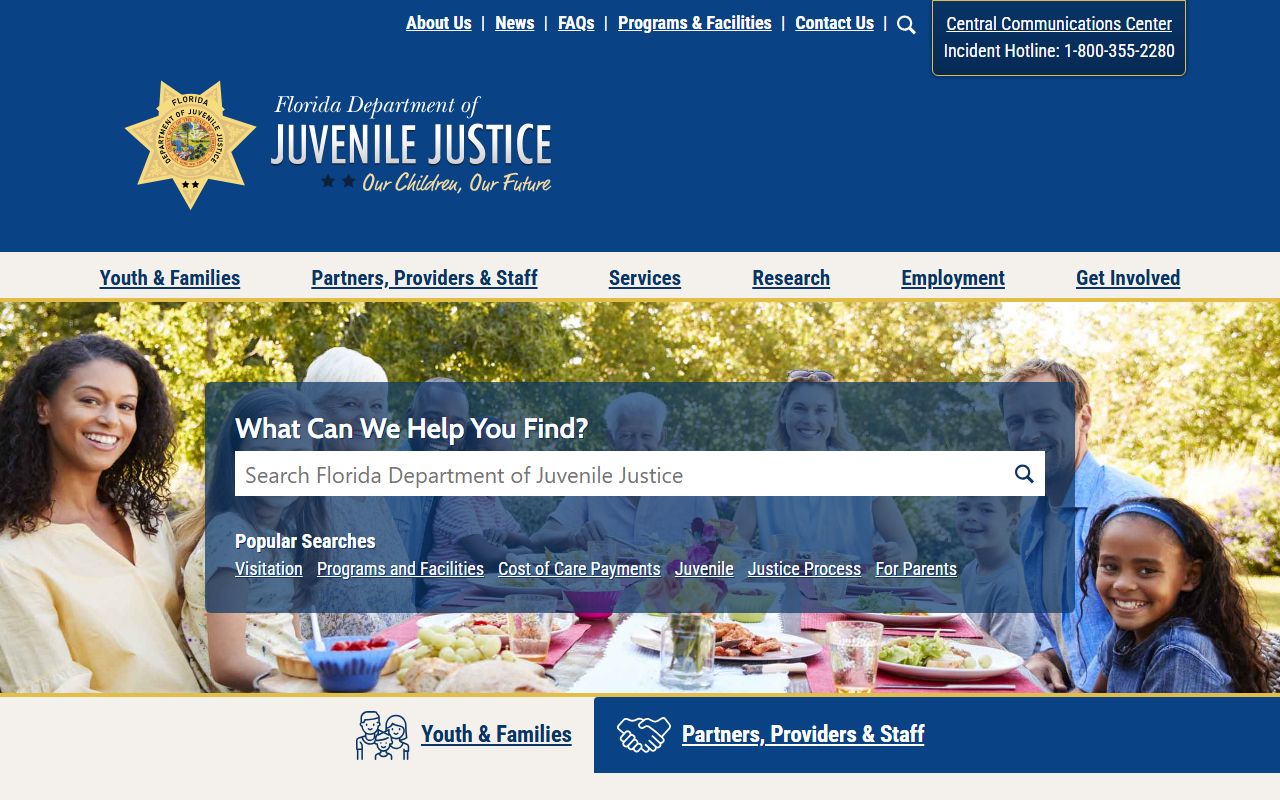
The FDLE registry provides access to all public sex offender and predator records in Florida, including every registrant in Seminole County.
Florida Offender Alert Notifications for Seminole County
Seminole County residents can sign up for free email notifications through Florida Offender Alert. The service tracks new registrations and address updates in the ZIP codes you select and sends an email when activity occurs in a zone you are watching. Each alert includes the registrant's photo and their registered address.
The service is free. Choose the ZIP codes that cover your neighborhood, a child's school area, or any other location you want to monitor, and the system does the tracking automatically. You can watch multiple ZIP codes from a single account. For families in densely populated Seminole County communities like Casselberry, Altamonte Springs, or Oviedo, this is a convenient way to stay current without manually checking the FDLE portal.
Cities in Seminole County
Seminole County's most populated cities include Sanford, Casselberry, Oviedo, Altamonte Springs, and Winter Springs. Sanford has a population of roughly 63,000, and none of these cities currently meet the threshold for a dedicated city page on this site. All sex offender registrations in Seminole County, for every city and unincorporated area in the county, are handled through the Seminole County Sheriff's Office at 100 Bush Blvd in Sanford.
Nearby Counties
Registrants who move out of Seminole County must notify the sheriff and then register with the receiving county's sheriff within 48 hours. All surrounding counties operate under Florida's statewide registration rules.